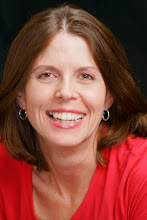
The following is a Letter to the Editor I wrote that was printed in the St. Petersburg Times on Monday, July 27, 2009. It was in response to a Times Editorial, "Adoption progress, problems" which was printed on Wednesday, July 22, 2009 http://bit.ly/IxwmT.
Subject: Much Work Still to be Done
As a foster adoptive parent and advocate, please accept my gratitude for pointing out that the increase in the number of foster adoptions in Florida, while commendable, does not eliminate the work that is still to be done. Over and over research commissioned locally, at the state level, nationally, and beyond indicates the fundamental need for post adoption support services. However, both DCF and Hillsborough Kids, Inc. continue to allot a miniscule portion of their budgets to providing such services. Further, the supports that do exist are hard to access and generally for limited periods of time only, but anyone who has adopted a former foster child can tell you that the effects of the trauma these children have experienced are likely to resurface throughout their childhood, teen years, and beyond. Learning to work through or manage the often extreme behaviors they understandably exhibit as a result of their past experiences requires far more than love; it requires commitment, perseverance, and dedication on the part of the parents to become knowledgeable of the psychological, neurological, and other “whys” behind their children’s behavior, as well as students of the specific methods that are effective in parenting this population. As your editorial points out, families who adopt foster children are providing an invaluable service to the state. One has to ask why, then, does the state not in turn commit to supporting them with the resources they need in order to be successful?
Regarding ours being the only state in the country to have an outright ban on gay and lesbian adoption I say shame on us, Florida. For the sake of fulfilling our shared responsibility to provide every child with a safe, secure, supportive, and loving home, it is time to insist that political and personal biases be set aside so that all qualified residents, regardless of their sexuality, may finally be extended equal rights to adopt in the state of Florida.
Thursday, July 23, 2009


Tuesday, July 21, 2009
New skirt! Tampa Bay Article Features Our Foster Adoption Success Story
Please double click on this link Michelle Schumacher Success Storyteller to view the full article.
Wednesday, July 15, 2009
New Social Network AdoptionVoices.com a Promising Resource for All Who Are Touched by Adoption
A new online social network devoted to all aspects of adoption was recently launched. A July 10th message from the site's founders to its members read:
A message to all members of Adoption Voices
In the last few weeks since we launched AdoptionVoices.com, we've already had more than 1,500 members register. Even more important, we've had great content created along with great member interaction. For example, we now have 98 sub-groups created on adoption topics.
The groups with the most members so far are:
(1) Transracial Adoption
(2) Hoping to Adopt
(3) China Adoption
(4) Families Supporting Adoption
(5) LDSFS Adoptions
(6) International Adoption
(7) Bloggers
(8) Openness in Adoption
(9) Adoption Humor and Inspiration
(10) Adoption Advocates
(11) Foster Adoption
(12) Why Open?
(13) Open Adoption
(14) Finding and Adoption
(15) Christian Adoption
The most active groups as of today are:
(1) LDSFS Adoptions
(2) Hoping to Adopt
(3) Why Open?
(4) China Adoption
(5) Bloggers
(6) International Adoption
(7) Transracial Adoption
(8) Families Supporting Adoption
(9) Kid Free Zone
(10) Adoptive Parents for Open Records
(11) How to Avoid Being Scammed
(12) Foster Adoption
(13) California Adoptive Families
(14) Special Needs Adoption
(15) Birthparents (Who Have a Positive Story to Tell)
We encourage you to join or create a group today and share your adoption voice at http://adoptionvoices.com/groups.
Visit Adoption Voices at: http://adoptionvoices.com/
A message to all members of Adoption Voices
In the last few weeks since we launched AdoptionVoices.com, we've already had more than 1,500 members register. Even more important, we've had great content created along with great member interaction. For example, we now have 98 sub-groups created on adoption topics.
The groups with the most members so far are:
(1) Transracial Adoption
(2) Hoping to Adopt
(3) China Adoption
(4) Families Supporting Adoption
(5) LDSFS Adoptions
(6) International Adoption
(7) Bloggers
(8) Openness in Adoption
(9) Adoption Humor and Inspiration
(10) Adoption Advocates
(11) Foster Adoption
(12) Why Open?
(13) Open Adoption
(14) Finding and Adoption
(15) Christian Adoption
The most active groups as of today are:
(1) LDSFS Adoptions
(2) Hoping to Adopt
(3) Why Open?
(4) China Adoption
(5) Bloggers
(6) International Adoption
(7) Transracial Adoption
(8) Families Supporting Adoption
(9) Kid Free Zone
(10) Adoptive Parents for Open Records
(11) How to Avoid Being Scammed
(12) Foster Adoption
(13) California Adoptive Families
(14) Special Needs Adoption
(15) Birthparents (Who Have a Positive Story to Tell)
We encourage you to join or create a group today and share your adoption voice at http://adoptionvoices.com/groups.
Visit Adoption Voices at: http://adoptionvoices.com/
Friday, July 10, 2009
Excerpts from UK Article About Increase in Number of Adopted Children Returned to Care
Research from the UK validating the need for and importance of post adoptive support services...
From http://women.timesonline.co.uk/tol/life_and_style/women/families/article6675966.ece
July 10, 2009
Number of adopted children returned to care has doubled in five years
The number of adopted children who have been returned to care homes because their new parents cannot cope with them has doubled in the past five years.
Data obtained under the Freedom of Information Act show that the number has increased by a third in the past year alone as parents struggle with often challenging children who have suffered years of neglect or abuse in their natural families.
Going back into care after living with an adoptive family is a traumatic experience for children, and for the adoptive parents who have to accept their only chance of having a family has gone. It is also a huge cost to an already over-stretched system with the children likely to need expensive specialist care.
The increase in breakdowns comes despite a fall in the number of children being adopted. Only 4,637 children were adopted in 2007, the lowest number since 1999.
The data on breakdowns is in a survey of local authorities, conducted by More4 News and shared with The Times. More4 News will broadcast its special report tonight at 8pm.
Experts say the figures show that many children are being left to suffer at the hands of dysfunctional natural parents for too long before being taken into care by social workers. By the time they are adopted, many have severe emotional or behavioural problems.
Local authorities are not obliged to keep any data on adoption breakdowns and the vast majority of those contacted by More4 News had no figures or only partial records. However, according to the numbers kept by 92 out of 450 local authorities in England, Scotland and Wales, 57 children were returned to care in 2008-09 compared with 26 in 2004-05. If the pattern is repeated across the country, it means more than 250 children were returned to the care system last year.
The figures are also a reflection of the changing face of adoption. Before the 1970s, most adopted children were babies born to single mothers, but today more than three quarters have been removed from their homes because of abuse or neglect. The increase in alcohol and drug abuse among parents is also a growing factor in care proceedings, with parents often being given several chances to break their habit before children are removed.
According to data provided to More4 News by the local authorities, last year only four per cent of adopted children were babies, with the majority aged between one and four. A quarter were aged between five and nine.
Adoption UK, the charity which supports adoptive families, said not enough was being done to help parents to care for a challenging child.
Jonathan Pearce, of Adoption UK, said: “The figures starkly illustrate the difficulties and complexity of modern-day adoptions from care and also highlight the lack of support for adoptive families in their challenging task of being therapeutic parents for traumatised children.”
The charity says the system is still too preoccupied with the intense and lengthy approvals process for would-be adoptive parents, rather than preparing them in advance and helping them afterwards.
Case study ‘I had naively believed in love’
Initially, the adoption seemed to be going well. But Kate discovered that Alex, whom she had adopted when the child was four, had an attachment disorder and heard voices.
“She never left my side, ever,” Kate says. “She couldn’t watch television, she couldn’t play, she didn’t want to play with other children. There was nothing that she could do by herself.”
Alex’s behaviour deteriorated rapidly and she began to torture the family cat. She tried to kill her rabbit. Social services had warned Kate that her daughter’s background was “as bad as it gets”. Alex’s natural mother was an alcoholic and a drug addict.
“I naively believed that with enough love and enough attention and security we could make it all better for her,” Kate says. “But it became a nightmare caring for a child who isn’t attached to you.”
(All names have been changed))
From http://women.timesonline.co.uk/tol/life_and_style/women/families/article6675966.ece
July 10, 2009
Number of adopted children returned to care has doubled in five years
The number of adopted children who have been returned to care homes because their new parents cannot cope with them has doubled in the past five years.
Data obtained under the Freedom of Information Act show that the number has increased by a third in the past year alone as parents struggle with often challenging children who have suffered years of neglect or abuse in their natural families.
Going back into care after living with an adoptive family is a traumatic experience for children, and for the adoptive parents who have to accept their only chance of having a family has gone. It is also a huge cost to an already over-stretched system with the children likely to need expensive specialist care.
The increase in breakdowns comes despite a fall in the number of children being adopted. Only 4,637 children were adopted in 2007, the lowest number since 1999.
The data on breakdowns is in a survey of local authorities, conducted by More4 News and shared with The Times. More4 News will broadcast its special report tonight at 8pm.
Experts say the figures show that many children are being left to suffer at the hands of dysfunctional natural parents for too long before being taken into care by social workers. By the time they are adopted, many have severe emotional or behavioural problems.
Local authorities are not obliged to keep any data on adoption breakdowns and the vast majority of those contacted by More4 News had no figures or only partial records. However, according to the numbers kept by 92 out of 450 local authorities in England, Scotland and Wales, 57 children were returned to care in 2008-09 compared with 26 in 2004-05. If the pattern is repeated across the country, it means more than 250 children were returned to the care system last year.
The figures are also a reflection of the changing face of adoption. Before the 1970s, most adopted children were babies born to single mothers, but today more than three quarters have been removed from their homes because of abuse or neglect. The increase in alcohol and drug abuse among parents is also a growing factor in care proceedings, with parents often being given several chances to break their habit before children are removed.
According to data provided to More4 News by the local authorities, last year only four per cent of adopted children were babies, with the majority aged between one and four. A quarter were aged between five and nine.
Adoption UK, the charity which supports adoptive families, said not enough was being done to help parents to care for a challenging child.
Jonathan Pearce, of Adoption UK, said: “The figures starkly illustrate the difficulties and complexity of modern-day adoptions from care and also highlight the lack of support for adoptive families in their challenging task of being therapeutic parents for traumatised children.”
The charity says the system is still too preoccupied with the intense and lengthy approvals process for would-be adoptive parents, rather than preparing them in advance and helping them afterwards.
Case study ‘I had naively believed in love’
Initially, the adoption seemed to be going well. But Kate discovered that Alex, whom she had adopted when the child was four, had an attachment disorder and heard voices.
“She never left my side, ever,” Kate says. “She couldn’t watch television, she couldn’t play, she didn’t want to play with other children. There was nothing that she could do by herself.”
Alex’s behaviour deteriorated rapidly and she began to torture the family cat. She tried to kill her rabbit. Social services had warned Kate that her daughter’s background was “as bad as it gets”. Alex’s natural mother was an alcoholic and a drug addict.
“I naively believed that with enough love and enough attention and security we could make it all better for her,” Kate says. “But it became a nightmare caring for a child who isn’t attached to you.”
(All names have been changed))
How Social Media Will Help Our Cause
Last night, I attended Social School http://juliagorzka.com/socialschool/, a seminar focused on bringing attendees up to speed on why social media is an essential marketing tool. Prior to attending, I had a Twitter account, Facebook, etc., but wasn't sure how to use them to promote this blog.
As discusssed in some of my previous postings, this blog focuses on 3 goals:
1) Be a voice of encouragement for those who have adopted through the foster care system during their toughest moments by telling the stories of other families who have gone before them.
2) Encourage others to foster and/or adopt.
3) Advocate for increased availability of post adoption support services.
After attending Social School, I now know how to search for others who are passionate about sharing helpful info. with other foster adoptive parents (see links to resources). I also have a whole bunch of ideas on how to recruit new families (and the latest proposed legislation to lift Florida's ban on gay adoption plays a key role). Last but not least, I've also got ideas to share with HKI, Inc., the org that oversees fostering and foster adoptions in our county, on a whole new (and low cost) way to provide post adoption supports for our families (think "DIY).
Very exciting times, indeed. Stay tuned!!
Stay tuned!!
As discusssed in some of my previous postings, this blog focuses on 3 goals:
1) Be a voice of encouragement for those who have adopted through the foster care system during their toughest moments by telling the stories of other families who have gone before them.
2) Encourage others to foster and/or adopt.
3) Advocate for increased availability of post adoption support services.
After attending Social School, I now know how to search for others who are passionate about sharing helpful info. with other foster adoptive parents (see links to resources). I also have a whole bunch of ideas on how to recruit new families (and the latest proposed legislation to lift Florida's ban on gay adoption plays a key role). Last but not least, I've also got ideas to share with HKI, Inc., the org that oversees fostering and foster adoptions in our county, on a whole new (and low cost) way to provide post adoption supports for our families (think "DIY).
Very exciting times, indeed. Stay tuned!!
Stay tuned!!
Friday, June 26, 2009
"What Would I Do Instead?"
Donna—Gram to her foster and adopted children—doesn’t remember for sure how she became interested in being a foster parent. She does remember clearly, however, how she decided to become the adoptive mother of two of the foster children in her care.
Donna and her husband, Thomas, first fostered in the early 1970’s while living in New Hampshire. Back then, Donna was a stay-at-home mom to their biological daughter, Dawn, and son, Steven, which she says made it convenient for them to take in other young children. That first stint in foster parenting ended when they relocated to another county.
The couple didn’t foster again until thirty years later, in 2004, after both had retired. Having settled in eastern Hillsborough County on an eight acre parcel of land shared with Dawn and her husband, Kenny, Donna and Thomas were inspired to resume fostering by their daughter and son-in-law, who had begun foster parenting several years earlier.
After completing their state-required Model Approach to Partnership in Parenting (MAPP) training through Camelot Community Care, Inc., the couple became licensed in January of 2005. Within days, they began taking foster children into their home. Donna and Thomas were respectively called Gram and Grampy by their grandchildren next door, and their foster children followed suit in calling them by those names, as well.
In May of 2005 then 7-year-old Carly and 5-year-old Joseph, a sister and brother sibling group, came to live with the couple. Donna recalls Joseph saying, “I don’t see no roaches here,” giving her indication early on of the conditions the children were used to living in. After being with the couple only one week, the siblings announced they wanted to stay there for good. Until that time, Donna and Thomas hadn’t considered adopting, but the children’s determination caused them to openly begin discussing the possibility.
Within a few short months of becoming licensed, the couple had eight foster children—the maximum number they were licensed for—living with them, including Carly and Joseph. Unfortunately, in late 2005 Thomas was diagnosed with cancer. In addition to a houseful of children, their daily lives now also included the regular arrivals and departures of hospice workers. Perhaps because the children’s time in foster care had gotten them used to people coming and going in their lives, there were fairly unaware of the seriousness of the situation. Carly was the only one to have any real idea of how sick Thomas was. After a long and painful battle, he succumbed to the disease, quietly passing on March 1, 2006.
Donna says that having the children in their lives is what got her through that tough time. “Things had to be done,” she says. “I had to act like everything was okay.” Even after her husband passed, she never considered giving up foster parenting. Instead, she kept busy by continuing to take care of the children as a single parent.
“What would I do instead?” she asks.
For some time, Donna continued to be at capacity with eight foster children rotating through her home. Soft in tone and willowy in stature, one nonetheless gets the impression that Donna does not tolerate much in the way of poor behavior. Discipline includes time outs, the children being sent to their room, and having privileges revoked. With foster children regularly arriving and leaving, Donna incorporates convenience wherever she can, such as using paper plates for dinner, and the children help keep the house tidy by handling such chores as doing their own laundry and cleaning their bathroom.
Most of Donna’s foster children have accepted the structure and rules of the household while they lived with her. Some, however, had been so severely impacted by their previous experiences that they proved to be a physical threat to themselves or the other children. In those instances, the children were removed from her care by Donna’s request.
As other children came and went, Carly and Joseph continued to live with Donna. The two adjusted well to their new home overall, but Joseph was prone to violence for some time. Donna notes that when he would get off the bus after school he would be uncontrollable and filled with an angry energy that led him to pick fights with the other children. She sought to understand where the behavior was coming from, and why it occurred in the afternoons but not in the mornings.
Over time, Donna learned that the dosage of a medication Joseph had been prescribed by a psychiatrist was woefully insufficient. While she continued to point out the issues to Joseph’s caseworkers, it was only through her own persistence that the dosage was eventually properly adjusted, following which Joseph’s instances of violence decreased dramatically.
While they were still foster children of Gram’s, Carly and Joseph did not have contact with either biological parent but they did initially stay in touch with three half siblings, all on their mother’s side, who were also living in Florida. As the years went on, communication from their half siblings slowly decreased. Their half-brother was eventually adopted and has not been in contact with his younger siblings since. Their half-sisters, who live with their biological father, at one point initiated scheduling a visit with Carly and Joseph. Donna recalls Carly spending most of the appointed day standing in the driveway excitedly awaiting her sisters’ arrival. Sadly, they never came and, now living in another state, they have not been in touch since.
The court’s official termination of Carly and Joseph’s biological parents’ rights took place in the fall of 2007, which meant that the children also became eligible for adoption at that time. Because National Adoption Day is in November, the caseworkers asked Donna to postpone finalizing the children’s’ adoption so that they could participate in that day’s ceremonies. On November 16, 2007, Donna finally and forever became the mother of Carly and Joseph. During the process the children chose new names for themselves, both of which honor Donna’s husband, the man who would have become their father but for his passing.
Since coming to live with Donna, Carly and Joseph have known a life of structure and routine. After school and on weekends, they spend most of their free time outside with the other children playing with the family’s horses and goats, or riding their bikes and scooters. Birthdays are large celebrations that include Donna’s daughter, son-in-law (now Carly and Joseph’s sister and brother-in-law), and their children. Gram makes a cake, and there are pizza and party favors. Typically, just family members participate.
When she celebrated her most recent birthday this past October, for the first time Carly invited a friend over to celebrate with them.
No doubt, it was only the first of many such times to come.
Donna and her husband, Thomas, first fostered in the early 1970’s while living in New Hampshire. Back then, Donna was a stay-at-home mom to their biological daughter, Dawn, and son, Steven, which she says made it convenient for them to take in other young children. That first stint in foster parenting ended when they relocated to another county.
The couple didn’t foster again until thirty years later, in 2004, after both had retired. Having settled in eastern Hillsborough County on an eight acre parcel of land shared with Dawn and her husband, Kenny, Donna and Thomas were inspired to resume fostering by their daughter and son-in-law, who had begun foster parenting several years earlier.
After completing their state-required Model Approach to Partnership in Parenting (MAPP) training through Camelot Community Care, Inc., the couple became licensed in January of 2005. Within days, they began taking foster children into their home. Donna and Thomas were respectively called Gram and Grampy by their grandchildren next door, and their foster children followed suit in calling them by those names, as well.
In May of 2005 then 7-year-old Carly and 5-year-old Joseph, a sister and brother sibling group, came to live with the couple. Donna recalls Joseph saying, “I don’t see no roaches here,” giving her indication early on of the conditions the children were used to living in. After being with the couple only one week, the siblings announced they wanted to stay there for good. Until that time, Donna and Thomas hadn’t considered adopting, but the children’s determination caused them to openly begin discussing the possibility.
Within a few short months of becoming licensed, the couple had eight foster children—the maximum number they were licensed for—living with them, including Carly and Joseph. Unfortunately, in late 2005 Thomas was diagnosed with cancer. In addition to a houseful of children, their daily lives now also included the regular arrivals and departures of hospice workers. Perhaps because the children’s time in foster care had gotten them used to people coming and going in their lives, there were fairly unaware of the seriousness of the situation. Carly was the only one to have any real idea of how sick Thomas was. After a long and painful battle, he succumbed to the disease, quietly passing on March 1, 2006.
Donna says that having the children in their lives is what got her through that tough time. “Things had to be done,” she says. “I had to act like everything was okay.” Even after her husband passed, she never considered giving up foster parenting. Instead, she kept busy by continuing to take care of the children as a single parent.
“What would I do instead?” she asks.
For some time, Donna continued to be at capacity with eight foster children rotating through her home. Soft in tone and willowy in stature, one nonetheless gets the impression that Donna does not tolerate much in the way of poor behavior. Discipline includes time outs, the children being sent to their room, and having privileges revoked. With foster children regularly arriving and leaving, Donna incorporates convenience wherever she can, such as using paper plates for dinner, and the children help keep the house tidy by handling such chores as doing their own laundry and cleaning their bathroom.
Most of Donna’s foster children have accepted the structure and rules of the household while they lived with her. Some, however, had been so severely impacted by their previous experiences that they proved to be a physical threat to themselves or the other children. In those instances, the children were removed from her care by Donna’s request.
As other children came and went, Carly and Joseph continued to live with Donna. The two adjusted well to their new home overall, but Joseph was prone to violence for some time. Donna notes that when he would get off the bus after school he would be uncontrollable and filled with an angry energy that led him to pick fights with the other children. She sought to understand where the behavior was coming from, and why it occurred in the afternoons but not in the mornings.
Over time, Donna learned that the dosage of a medication Joseph had been prescribed by a psychiatrist was woefully insufficient. While she continued to point out the issues to Joseph’s caseworkers, it was only through her own persistence that the dosage was eventually properly adjusted, following which Joseph’s instances of violence decreased dramatically.
While they were still foster children of Gram’s, Carly and Joseph did not have contact with either biological parent but they did initially stay in touch with three half siblings, all on their mother’s side, who were also living in Florida. As the years went on, communication from their half siblings slowly decreased. Their half-brother was eventually adopted and has not been in contact with his younger siblings since. Their half-sisters, who live with their biological father, at one point initiated scheduling a visit with Carly and Joseph. Donna recalls Carly spending most of the appointed day standing in the driveway excitedly awaiting her sisters’ arrival. Sadly, they never came and, now living in another state, they have not been in touch since.
The court’s official termination of Carly and Joseph’s biological parents’ rights took place in the fall of 2007, which meant that the children also became eligible for adoption at that time. Because National Adoption Day is in November, the caseworkers asked Donna to postpone finalizing the children’s’ adoption so that they could participate in that day’s ceremonies. On November 16, 2007, Donna finally and forever became the mother of Carly and Joseph. During the process the children chose new names for themselves, both of which honor Donna’s husband, the man who would have become their father but for his passing.
Since coming to live with Donna, Carly and Joseph have known a life of structure and routine. After school and on weekends, they spend most of their free time outside with the other children playing with the family’s horses and goats, or riding their bikes and scooters. Birthdays are large celebrations that include Donna’s daughter, son-in-law (now Carly and Joseph’s sister and brother-in-law), and their children. Gram makes a cake, and there are pizza and party favors. Typically, just family members participate.
When she celebrated her most recent birthday this past October, for the first time Carly invited a friend over to celebrate with them.
No doubt, it was only the first of many such times to come.
Thursday, June 11, 2009
Adoption Community Call to Action for Orphan Film
Copied from an Adoptive Families magazine email...
Dear Readers,
There is a horror film being released on July 24, called Orphan, about a family who adopts an older girl who "is not what she appears to be." The film is currently being promoted, and the trailer is available at http://orphan-movie.warnerbros.com . The adoption message is extremely negative, and plays into the stereotypes of adopted children, particularly older children, as damaged.
Though we have not been able to preview the entire movie, the trailer leads us to believe the movie will send a horrific message about adoption. The adoption community is protesting the release of the film. We urge you to contact the makers of the film, as well as your local movie theater chains, with your concerns. Feel free to copy or adapt the sample letter below.
To whom it may concern:
I want to express my outrage about the release of the movie Orphan. The film plays into the stereotype of adopted children as damaged and dangerous. It discourages families from pursuing adoption, particularly adoption of older children, who are especially in need of loving homes. As an adoptive parent, I am horrified by the line in the trailer that "it must be hard to love an adopted child as much as your own." Adoption has often been misrepresented in the media, but the previews for this film are unbelievably offensive. I urge you to change the promotional materials, and to consider holding the release of the film altogether.
Contact information:
Warner Bros.
4000 Warner Blvd.
Burbank, CA 91522
818-954-6000
Silver Pictures
4000 Warner Blvd. 90
Burbank, CA 91522-0001
818-954-4490
Time Warner Inc.
One Time Warner Center
New York, NY 10019-8016
212-484-8000
Thank you for your support.The editors of Adoptive Families
Dear Readers,
There is a horror film being released on July 24, called Orphan, about a family who adopts an older girl who "is not what she appears to be." The film is currently being promoted, and the trailer is available at http://orphan-movie.warnerbros.com . The adoption message is extremely negative, and plays into the stereotypes of adopted children, particularly older children, as damaged.
Though we have not been able to preview the entire movie, the trailer leads us to believe the movie will send a horrific message about adoption. The adoption community is protesting the release of the film. We urge you to contact the makers of the film, as well as your local movie theater chains, with your concerns. Feel free to copy or adapt the sample letter below.
To whom it may concern:
I want to express my outrage about the release of the movie Orphan. The film plays into the stereotype of adopted children as damaged and dangerous. It discourages families from pursuing adoption, particularly adoption of older children, who are especially in need of loving homes. As an adoptive parent, I am horrified by the line in the trailer that "it must be hard to love an adopted child as much as your own." Adoption has often been misrepresented in the media, but the previews for this film are unbelievably offensive. I urge you to change the promotional materials, and to consider holding the release of the film altogether.
Contact information:
Warner Bros.
4000 Warner Blvd.
Burbank, CA 91522
818-954-6000
Silver Pictures
4000 Warner Blvd. 90
Burbank, CA 91522-0001
818-954-4490
Time Warner Inc.
One Time Warner Center
New York, NY 10019-8016
212-484-8000
Thank you for your support.The editors of Adoptive Families
Subscribe to:
Posts (Atom)